“Custom website” gets used loosely enough that it’s worth defining before quoting one. A WordPress site with a custom-designed theme is still, technically, a custom project — but when we say custom development specifically, we mean something built without a CMS or platform underneath it at all: hand-coded, purpose-built for one specific function a template can’t handle natively.
That distinction matters because custom development costs more and takes longer than a platform build, and it’s the wrong call for a business that just needs a well-designed brochure site. It’s the right call when the site needs to do something no theme or plugin combination handles cleanly — a booking engine with complex availability logic, a member portal with tiered access, a pricing calculator tied to live data.
WordPress and its plugin ecosystem cover an enormous range of needs, which is exactly why custom development isn’t the default unless there’s a real reason for it. The reason usually falls into one of a few buckets: the business logic is genuinely unique (a quoting tool with dozens of interacting variables), the performance requirements exceed what a plugin-heavy CMS can deliver, or the integration needs are deep enough that stitching plugins together would be slower and less reliable than building the connection directly.
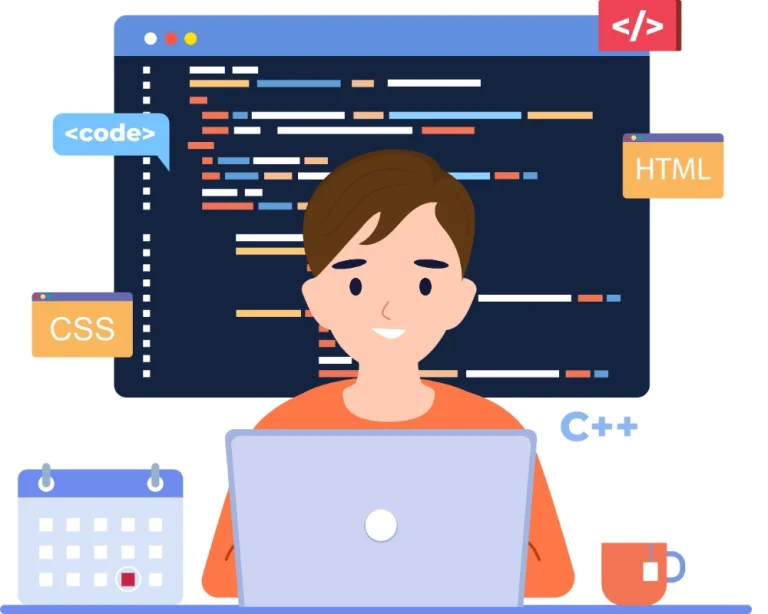
For most custom projects, we build on React or Next.js on the frontend, with a headless CMS (like Sanity or Contentful) layered in when a client still needs to edit content without touching code. Backend logic and integrations typically run through Node.js, connecting to whatever third-party services the project requires.
The stack gets chosen based on what the project actually needs to do, not around a single tool we default to for everything.
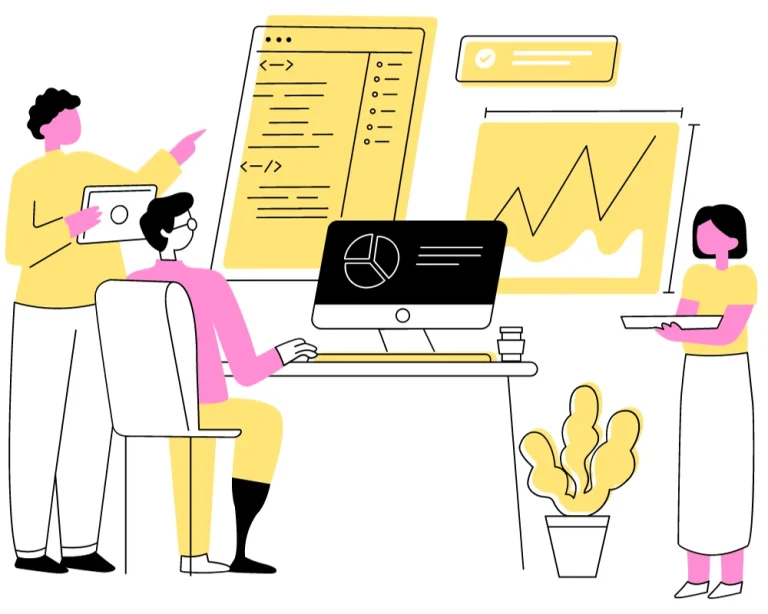
Custom builds get designed in Figma first, same as any other project, but the handoff to development is more involved — every interactive state, edge case, and data-driven layout needs to be specified before development starts, since there’s no theme filling in the gaps automatically.
We build a component-based design system as part of this stage, so buttons, forms, and cards stay visually consistent across the site without needing to redesign each one individually.
A custom build runs 3 to 5 weeks at minimum, and that range moves fast depending on how many unique interactive pieces the project needs. A marketing site with one custom calculator sits at the shorter end. A member portal with tiered access, payment processing, and a custom admin dashboard sits well past it. We scope this in detail before quoting a timeline, rather than giving a number upfront that assumes the simplest possible version of what’s been described.
“ It was very good to work with WebSnarks. Team is highly skilled and supportive. ”
“ WebSnarks have fixed my sites bug and helped me to improve it. Thanks ”
“ Custom Website developed by WebSnarks is totally great. I am going to hire them again soon. ”
“ WebSnarks platform is very cost efficient and worth money. Highly recommended. ”
A platform site gets security patches and updates from the platform itself. A custom site doesn’t have that safety net — updates, security patching, and bug fixes are entirely on whoever’s maintaining the codebase, which is worth planning for before launch, not after something breaks. We offer ongoing support for everything we build custom, and if a different developer takes over later, we hand off clean, documented code so they’re not reverse-engineering our decisions from scratch.
When your functionality needs — a unique calculator, a complex booking system, deep third-party integrations — don’t exist as reliable off-the-shelf plugins. Most standard business sites don’t need this.
Cost scales directly with how much unique functionality the project needs — share a detailed description of what the site needs to do for an accurate scope and quote.
WordPress builds on an existing platform with plugins handling most functionality. Custom development means no platform underneath — everything is built specifically for your project, which costs more but has no functional ceiling.
Depends on the build — if we layer in a headless CMS for content areas, yes. Fully custom interactive features typically need a developer for changes, which we’ll flag clearly before the project starts.