“Backlink building” usually means chasing links from other websites, which is why on-page backlinking throws people — there’s no other site involved here at all. This is about the links inside your own site: how your pages link to each other, and whether that structure is spreading authority to the pages that actually need it or leaving your best content stranded with zero internal links pointing at it.
Our on-page backlinking service audits and rebuilds that internal structure. A site with 80 blog posts and no deliberate linking strategy between them is sitting on authority it’s not using — every published page has some amount of ranking power, and internal links are how that power moves from a strong page to a page that needs the help.
An orphan page — a page with zero internal links pointing to it from anywhere else on the site — is nearly invisible to search engines no matter how good the content is. We run a full crawl using Screaming Frog to surface every orphan page on a site, which turns up more often than most business owners expect; a services page added two years ago and never linked from the new homepage redesign is a common one. Fixing it is sometimes as simple as adding one contextual link from a relevant blog post.
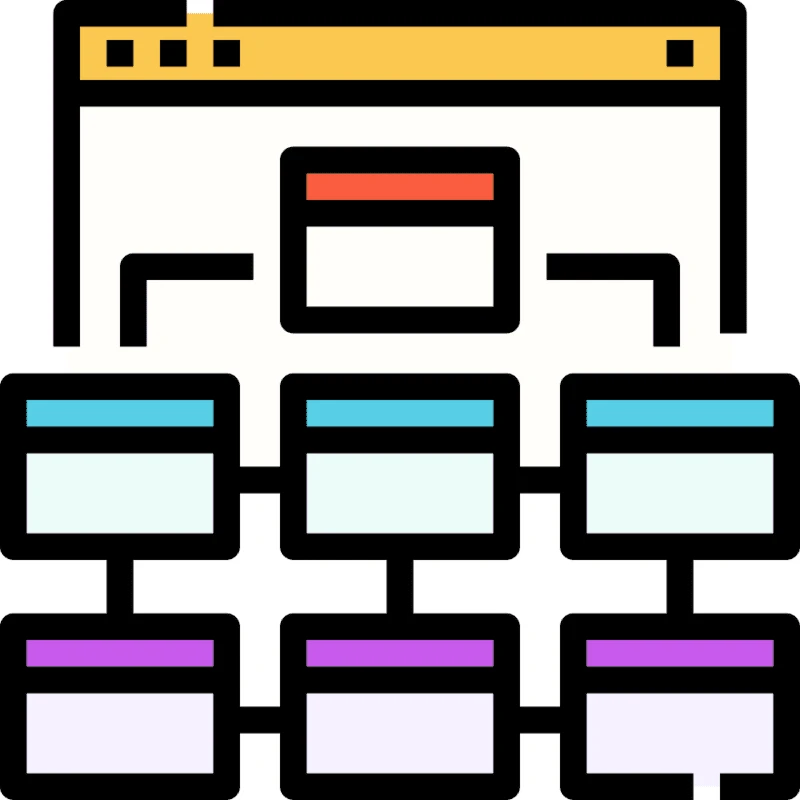
A pillar page — a broad, comprehensive page on a core topic — works best when it’s surrounded by narrower supporting pages that link back to it, and it links out to them in turn. This cluster structure signals topical authority to search engines and gives users an obvious next click at the end of a narrower article.
A site with twenty blog posts about different facets of one topic, none linking to each other, is missing an easy structural win that costs nothing beyond the time to add the links.


Internal link anchor text can be more literal and descriptive than external anchor text can safely be — a page can link to its own pricing page with the anchor text “pricing” without triggering the same manipulation concerns that apply to a batch of external backlinks all using the same exact-match keyword.
That said, “click here” and “learn more” as internal anchor text waste an opportunity; descriptive anchor text tells both users and search engines what the destination page is actually about.
Search engines generally treat pages closer to the homepage in a site’s link structure — fewer clicks away — as more important. A page buried five clicks deep from the homepage, with no other internal links pointing to it, sends a signal that it’s low priority, whether or not that’s actually true. Restructuring internal links to bring important pages within two or three clicks of the homepage is one of the more overlooked ways to influence which pages a site’s own architecture is quietly deprioritizing.
“ It is my second project with WebSnarks for on page backlinks. The quality of work is very great. Satisfied! ”
“ Fast delivery, outstanding work quality and delivered with extra work. I like the way they work and team is very supportive. ”
“ Impressed with WebSnarks backlinking service. My traffic is increasing day by day with their backlinks.”
“ Work done by WebSnarks is very excellent. They did on-page backlinks exactly as I asked for and the process was super easy. Highly recommended! ”
Adding new internal links on top of a messy existing structure can compound the problem instead of fixing it. Before recommending new links, we audit what’s already there: broken internal links pointing to deleted or moved pages, over-linked pages with so many internal links that none of them carry much individual weight, and pages linking to themselves accidentally through old template code. Cleaning up what exists is usually a bigger win than adding new links on top of it.
It’s the practice of structuring internal links — links between pages on your own site — to distribute ranking authority and help search engines understand which pages matter most. It’s distinct from external backlinks, which come from other websites.
There’s no fixed number — it depends on page length and how much genuinely relevant content exists to link to. A long guide might naturally support ten internal links; a short service page might only need two or three.
Internal links are entirely within your control and connect your own pages to each other. External backlinks come from other websites and depend on outreach — see our off-page backlinking service for that side of link building.