
Anyone promising first-page rankings in two weeks is either lying or bidding on branded terms nobody else wants. Real SEO, on competitive keywords, takes 4 to 6 months before you see consistent movement, and longer in crowded categories like legal or real estate. We’d rather tell you that upfront than sign you up and let the timeline surprise you three months in.
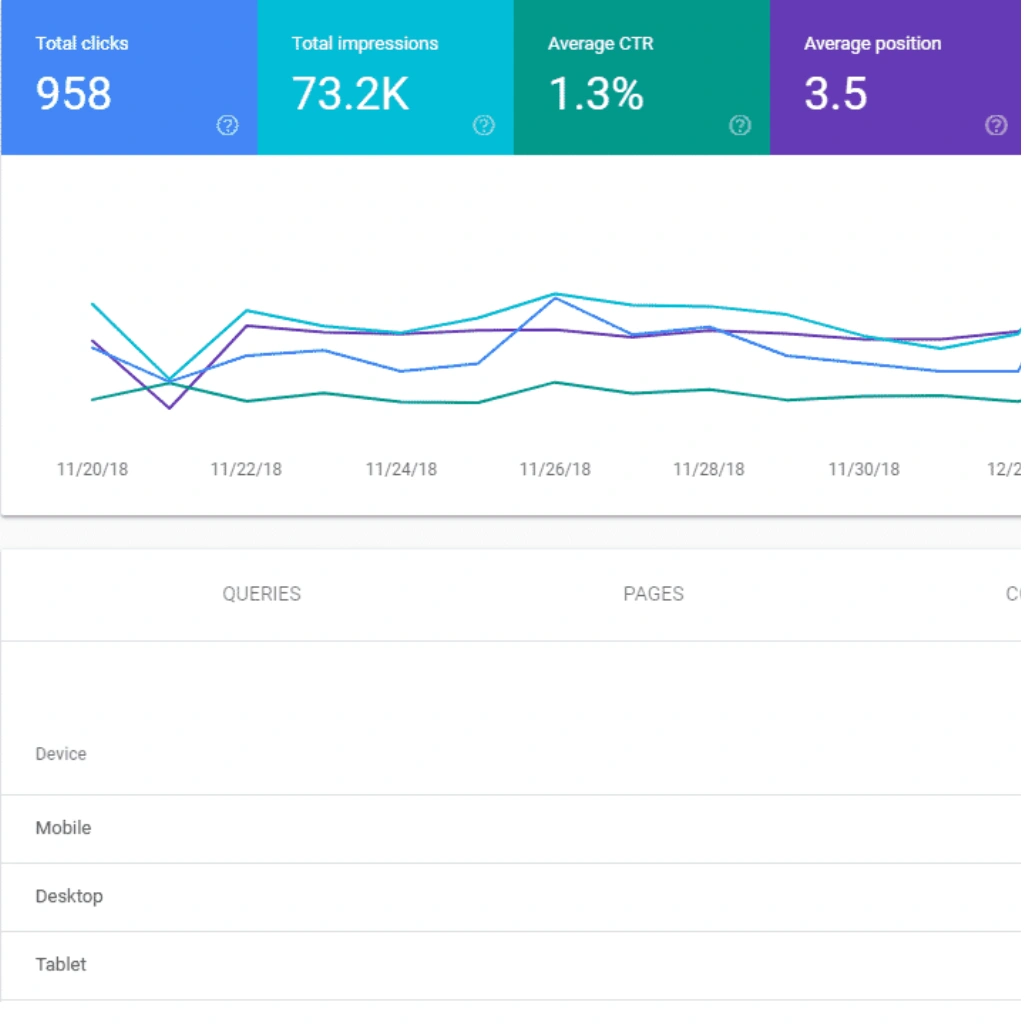
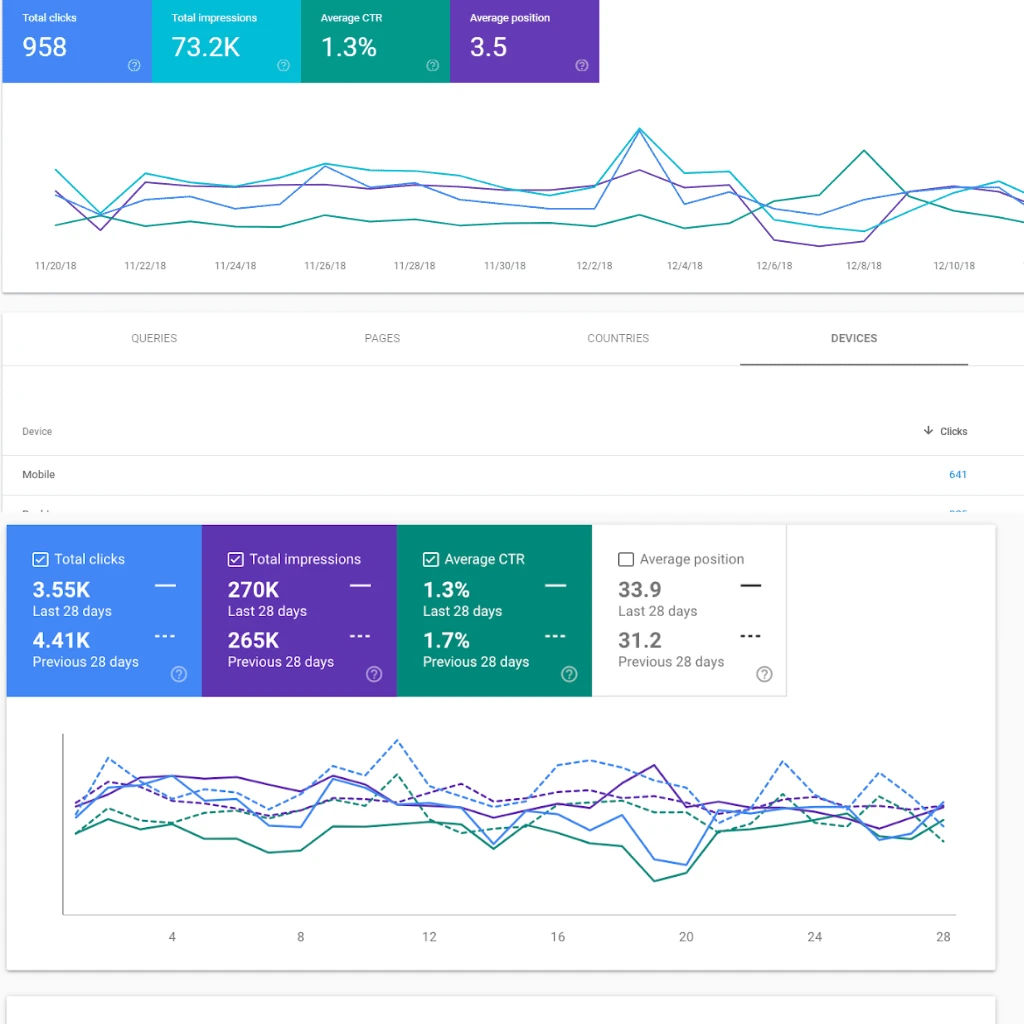
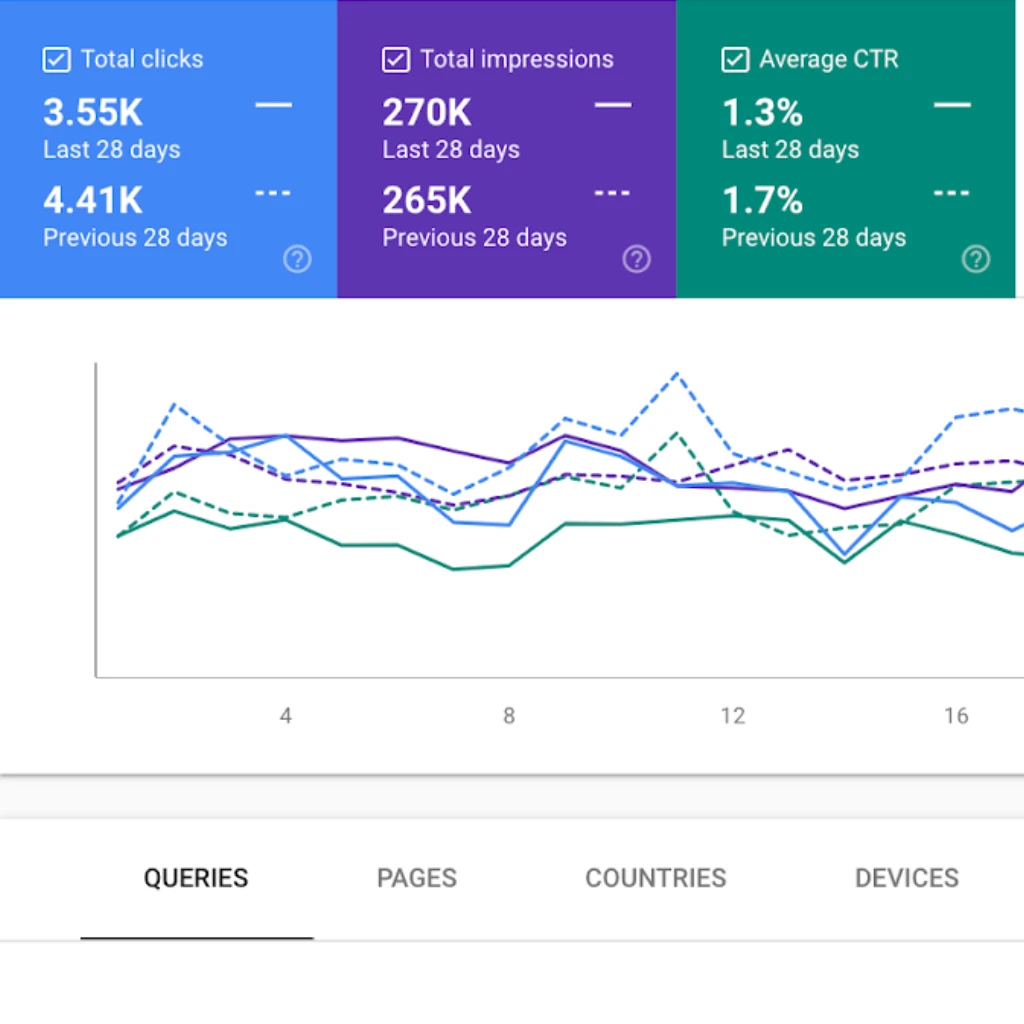
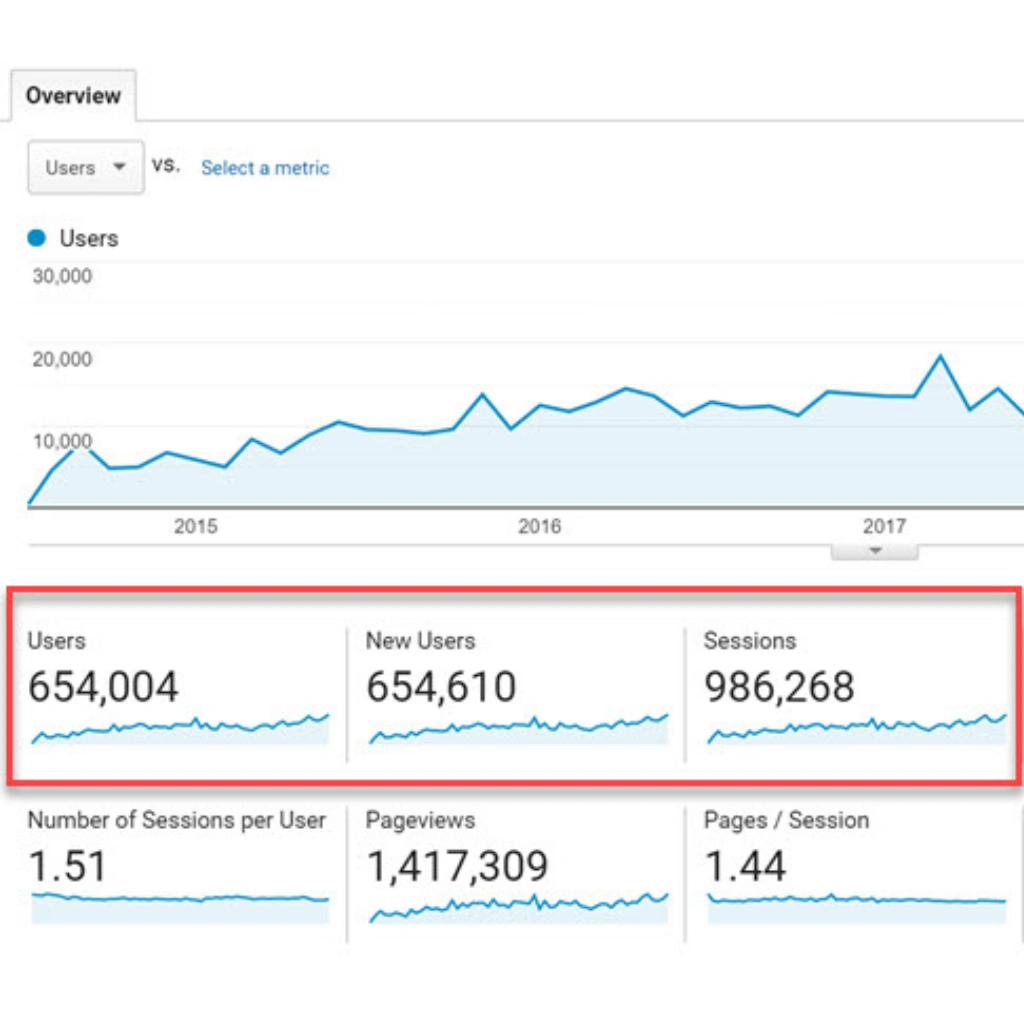
Before any work begins, we run a full site audit using Google Search Console and GA4 data — crawl errors, broken internal links, page speed scores, and existing keyword rankings. That audit decides what actually gets prioritized, instead of running a generic checklist against a site that might already be fine on half of it.
Select Your Desired Service Below
Not sure which SEO service fits your site? Contact us and we’ll recommend a starting point based on your audit.
Rankings without conversion mean nothing, which is why our SEO work stays connected to content writing and our backlinking services — a technically perfect site with zero authority behind it and thin content still won’t outrank a competitor with a real content strategy and legitimate links pointing to it.
Monthly reports show ranking position changes for tracked keywords, organic traffic trend, and what was worked on that period — not a vanity metric slideshow. If a keyword dropped, the report says why and what we’re doing about it.
Google measures how fast your largest content element loads, how quickly the page responds to a click, and how much the layout shifts around while loading. Fail those scores badly enough and even great content struggles to rank, because the ranking algorithm treats a slow, jumpy page as a worse experience regardless of what’s written on it. Fixing this usually means compressing images, trimming unnecessary scripts, and cleaning up a bloated theme — unglamorous work that moves the needle more than another blog post sometimes does.
“ WebSnarks' SEO solutions exceeded my expectations. With their expertise in Technical SEO, my site's performance improved. Moreover, captivating blogs and articles written by them keep my visitors engaged.”
“Fast delivery, outstanding work quality that's what I got from WebSnarks. However, their team's support and professionalism made the work go very smooth.”
“ Impressed with WebSnarks' Local SEO magic! They've helped me dominate my area. Additionally, their meta optimization and blog writing have boosted my online reach. Thanks”
“ I always choose WebSnarks for my SEO . I like their On-Page, Off-Page and Local strategies. With Meta optimization and supportive team they have earned my trust ”
“Impressed by you, quick delivery of engaging content writing. Furthermore, team's support and attention to detail made the entire experience remarkable.”
Before we recommend a single keyword to target, we look at what’s actually sitting in the top five results for it — word count, structure, what questions they answer that you don’t yet. This competitor gap analysis isn’t about copying their page; it’s about knowing exactly what your content needs to cover, and where there’s an opening they missed, before you spend the time writing it.
Google’s guidance increasingly rewards content that demonstrates real experience and expertise — author bios, cited sources, original data or photos instead of generic stock imagery. A blog post with no named author and no evidence anyone at your business actually did the thing it describes has a harder time competing against one that clearly does. We build this into content recommendations, not as an afterthought bolted onto a finished draft.
A growing share of searches now get answered directly on the results page or inside an AI-generated summary, before a user ever clicks through. That doesn’t make SEO pointless — it makes being the source those summaries pull from part of the goal, alongside traditional rankings. Clear, well-structured answers near the top of a page, with headers that match how people actually phrase questions, perform better in this environment than dense, unstructured copy that buries the answer three paragraphs down.
We don’t chase the highest search-volume term available — a keyword with 10,000 searches a month and zero buying intent is often worth less than one with 200 searches from people ready to hire. Keyword targets get prioritized by a mix of volume, competition level, and how closely the intent behind the search matches what you actually offer.
Most sites see early movement — indexing improvements, minor ranking shifts — within 6-8 weeks. Meaningful ranking gains on competitive terms typically take 4-6 months of consistent work.
It depends on your site's current state, competition level, and how many keywords you're targeting. A brand-new site in a competitive niche needs more work than an established site fixing technical issues.
Yes — local SEO focuses on Google Business Profile optimization, local citations, and location-based keywords for businesses that need to show up in "near me" searches, rather than ranking nationally.